
White Paper
Hidden Costs of Manual Shipping
Explore how disconnected shipping workflows drive up labor costs, slow fulfillment, and quietly limit your ability to grow.
Learn how automation creates a more efficient workflow, saving you time and money.
|
|
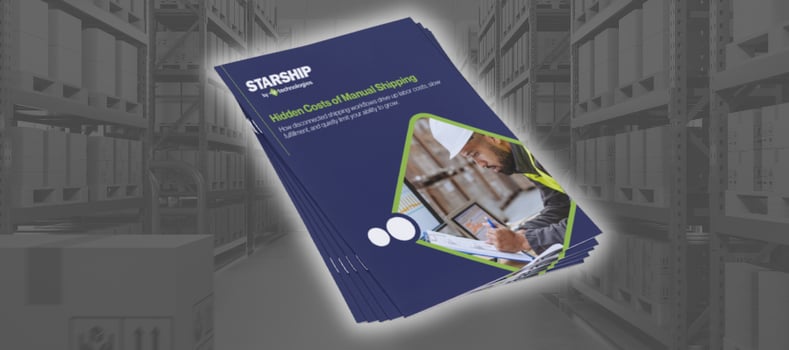
The report covers the full cost landscape of manual shipping operations, including labor inefficiency, shipping errors, fulfillment delays, and the impact of disconnected ERP and shipping systems. It also walks through what modern shipping automation looks like in practice, how to evaluate whether your operation is ready for a change, and what to look for in an integrated shipping platform.
Most organizations measure shipping cost by what they pay carriers. This report addresses the costs that don't show up on a carrier invoice — the labor, errors, delays, and lost visibility that accumulate quietly and grow with order volume. For any supply chain team looking to improve operational efficiency or build a case for automation investment, this report provides the framework to have that conversation.
Leading supply chain organizations are connecting shipping directly to their ERP to eliminate manual data entry, automate carrier selection, and gain real-time visibility into freight costs and shipment status. The result is faster fulfillment, fewer errors, and operational data that feeds back into inventory, invoicing, and customer service workflows. The report includes a real-world example of how one organization made this shift and the outcomes they achieved.
Yes. Many organizations using a shipping solution are still operating with partial automation — processing shipments through carrier portals, manually reconciling tracking data, or running shipping outside the ERP. This report is useful for any team looking to assess whether their current setup is delivering the efficiency and visibility a fully integrated platform can provide.

